Taxes for solopreneurs in Europe (2026): the self-employed tax guide
A plain-English guide to taxes for solopreneurs, freelancers and the self-employed in Europe — the three taxes every solo pays (income tax, VAT, social contributions), how much, how to set money aside, and when to get an accountant.

Solo operator · one-person venture studio in Europe (SEO · affiliate · micro-SaaS) · 20 June 2026 · 5 min read
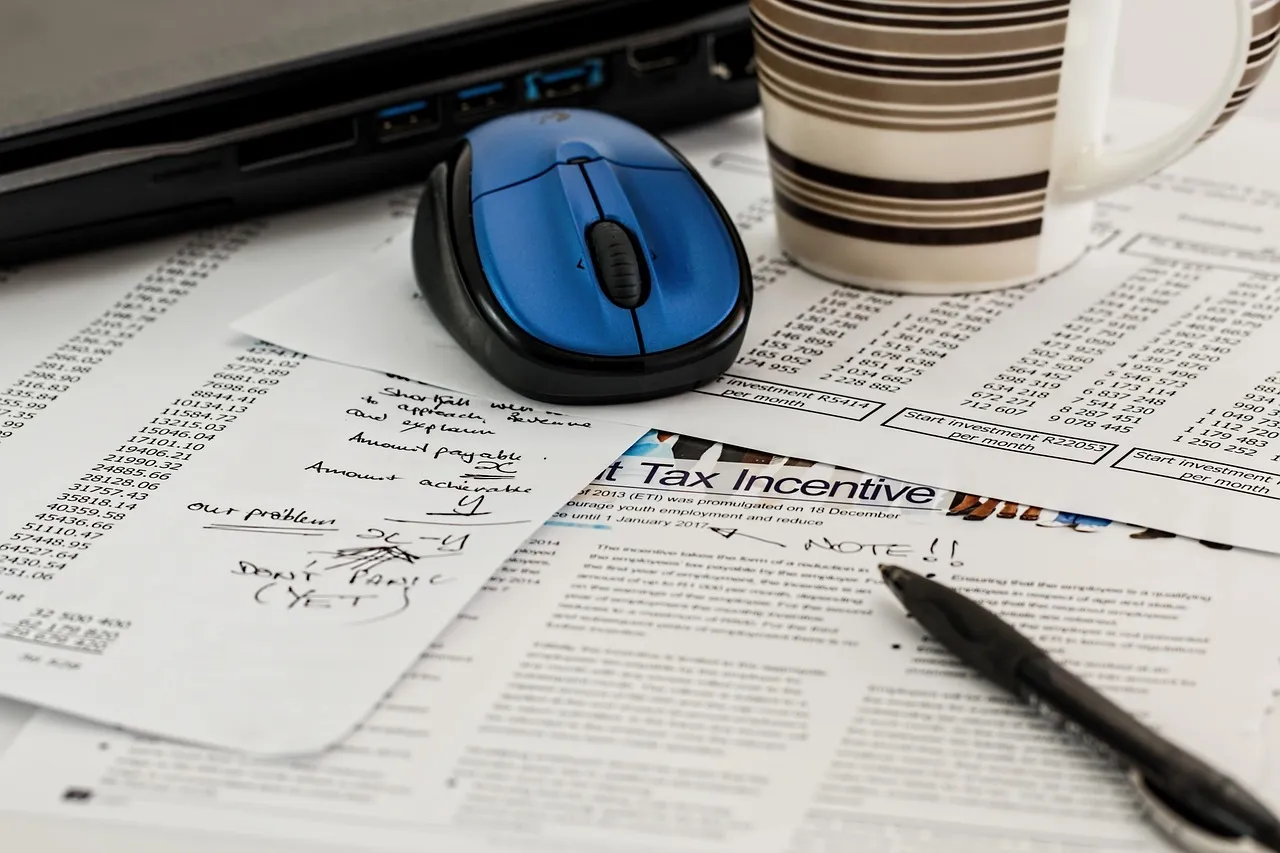
Nobody becomes a solopreneur for the love of tax returns — but as a team of one you are also your own finance department, and tax is the part that bites hardest if you ignore it. The good news: you don’t need to understand tax law. You need to understand three buckets, set money aside as you earn, and let a tool do the mechanics. This is the plain-English guide to taxes for the self-employed in Europe — through the solo lens, not a corporate one.
Not tax advice. Rates, thresholds and scheme names differ by country and change — confirm your own numbers with the national tax authority or an accountant before relying on anything here.
The three taxes every solo pays
Almost everywhere in the EU, “tax” for a one-person business is really three separate bills, and the surprise is usually the third:
- Income tax — on your profit (revenue minus allowable expenses), not your turnover. Usually progressive, but flat under schemes like Italy’s regime forfettario or France’s micro-entrepreneur.
- VAT — on your sales, once you cross your country’s registration threshold. You collect it from clients and remit it; below the threshold you usually don’t charge it. It’s the tax solos most often mistake for income.
- Social / pension contributions — fund your pension and healthcare, and are often a large percentage of income on top of income tax. This is the one first-year freelancers underestimate, and why the total bill shocks them.
Set the money aside as it arrives — not at the deadline
When a client pays you, part of that money was never yours. The single habit that prevents tax-season disaster is mechanical: every time you get paid, move a fixed percentage into a separate tax pot. Some business accounts (bunq, Revolut) auto-split a slice of every inflow for you. Pair it with the other money habits in bookkeeping for solopreneurs.
It depends on your country and structure
There’s no single “EU tax” — your bill is set by where you’re taxed and how you’re set up. The lightest setups for a starting solo are usually the flat-rate national schemes; the country guides walk through each one end to end:
- 🇩🇪 Self-employed in Germany — Freiberufler, Kleinunternehmer, ELSTER.
- 🇫🇷 Freelancing in France — the micro-entrepreneur regime.
- 🇮🇹 The Italian regime forfettario — flat 5–15% substitute tax.
- 🇪🇸 Becoming autónomo in Spain — IVA/IRPF and RETA.
- 🇳🇱 The Dutch ZZP · 🇵🇹 Portugal’s recibos verdes.
Choosing the structure itself (sole trader vs a company) changes which taxes apply — see sole trader vs OÜ vs freelance, and for the borderless route, is e-residency worth it.
VAT: the part that ambushes solos
VAT deserves its own attention because crossing a threshold changes how you invoice overnight:
- Know your registration threshold and watch your rolling turnover against it.
- Selling across EU borders or digital products? The OSS rules apply — the full breakdown is EU VAT & OSS explained for solopreneurs.
- Several countries now mandate structured e-invoicing — EU e-invoicing by country.
- Tools can file it for you — see automated VAT-filing & compliance tools.
The tools that do the mechanics
You don’t file taxes by hand. Accounting software records income and expenses, calculates VAT, produces the figures your return needs, and in many countries files directly:
- Pick a tool: the pan-EU shortlist is best accounting & bookkeeping software for solopreneurs; if you’re taxed in 🇩🇪 Germany, 🇫🇷 France, 🇮🇹 Italy or 🇪🇸 Spain, use the local specialist.
- Hate it entirely? A service like Xolo bundles the software and an accountant, so the filings simply happen.
Do it yourself or hire an accountant?
Both — at different layers. Software for the routine (recording, VAT, periodic returns); a human for judgement (the annual return, a tricky cross-border question, choosing a structure). In big-mandate countries a local Steuerberater / expert-comptable / commercialista / gestoría often earns the fee. The mistake is the all-or-nothing version: either drowning in spreadsheets to save a few hundred euros, or paying full-service rates for something software does in a click.
The takeaway
- Three buckets, not one: income tax, VAT, and the social contributions that catch everyone out.
- Set aside 30–50% of profit (plus VAT separately) as you earn, in a dedicated pot.
- Your country and structure set the bill — start from the right national scheme.
- Let software do the mechanics, and pay a human for the expensive-to-get-wrong parts.
Taxes never become fun, but they do become a routine instead of a recurring crisis. Start by separating the money and picking the tool that does the work — and avoid the tax mistakes solopreneurs make that turn a manageable bill into a painful one.
Want to set the money side aside correctly from day one? The tax set-aside calculator is free to use now; the EU Clean-Start Kit packages the income-and-VAT tracker, the “declare it right” playbook and compliant templates I run across my own ~30-project EU portfolio — so tax stops being a March surprise and becomes a system you set up once.
Part of the complete money guide for solopreneurs.
Frequently asked questions
What taxes do the self-employed pay in Europe?
How much tax does a freelancer pay in the EU?
Do freelancers and the self-employed pay VAT?
How do I do my taxes as a solopreneur?
Do solopreneurs need an accountant?
Keep reading
9 tax mistakes solopreneurs make (and what they cost you)
The most common tax mistakes freelancers and the self-employed make in Europe — from forgetting social contributions to missing the VAT threshold — and the simple habits that avoid each one.
VAT on Upwork & Fiverr income for EU freelancers (2026): what you actually owe
Earning on Upwork or Fiverr from inside the EU? Marketplace income is still taxable, and VAT doesn't disappear because a platform sits in the middle. The place-of-supply rules, VAT on platform fees, your VAT number, and the questions to settle with an accountant — plainly.
How to register as a freelancer / self-employed in Switzerland (2026)
The structural guide to going self-employed in Switzerland — setting up an Einzelfirma (sole proprietorship / raison individuelle), getting your self-employed status recognised by the cantonal AHV/AVS compensation office, when the commercial register becomes mandatory, Swiss VAT (MWST/TVA) registration, cantonal and federal income tax, and keeping records.
Everything here is free. If something saved you time, you can support the author — no product, no signup.